%2Ffit-in%2F250x250%2Fguide_websites%2F10559%2Fimages%2Fbottomsup.png&w=1920&q=100)
Indo-Pacific Sailfish Caught in Vero Beach FL
Sailfish Fishing in Vero Beach - What to Expect
%2F%2Fusers%2F03fa9f53-1d0c-4f9e-b150-7d488d0d0baa%2Fimages%2Fsailfish-catch-vero-beach-florida-2713.jpg&w=1920&q=75)
Fishing Charter by Captain Justin Gay in May
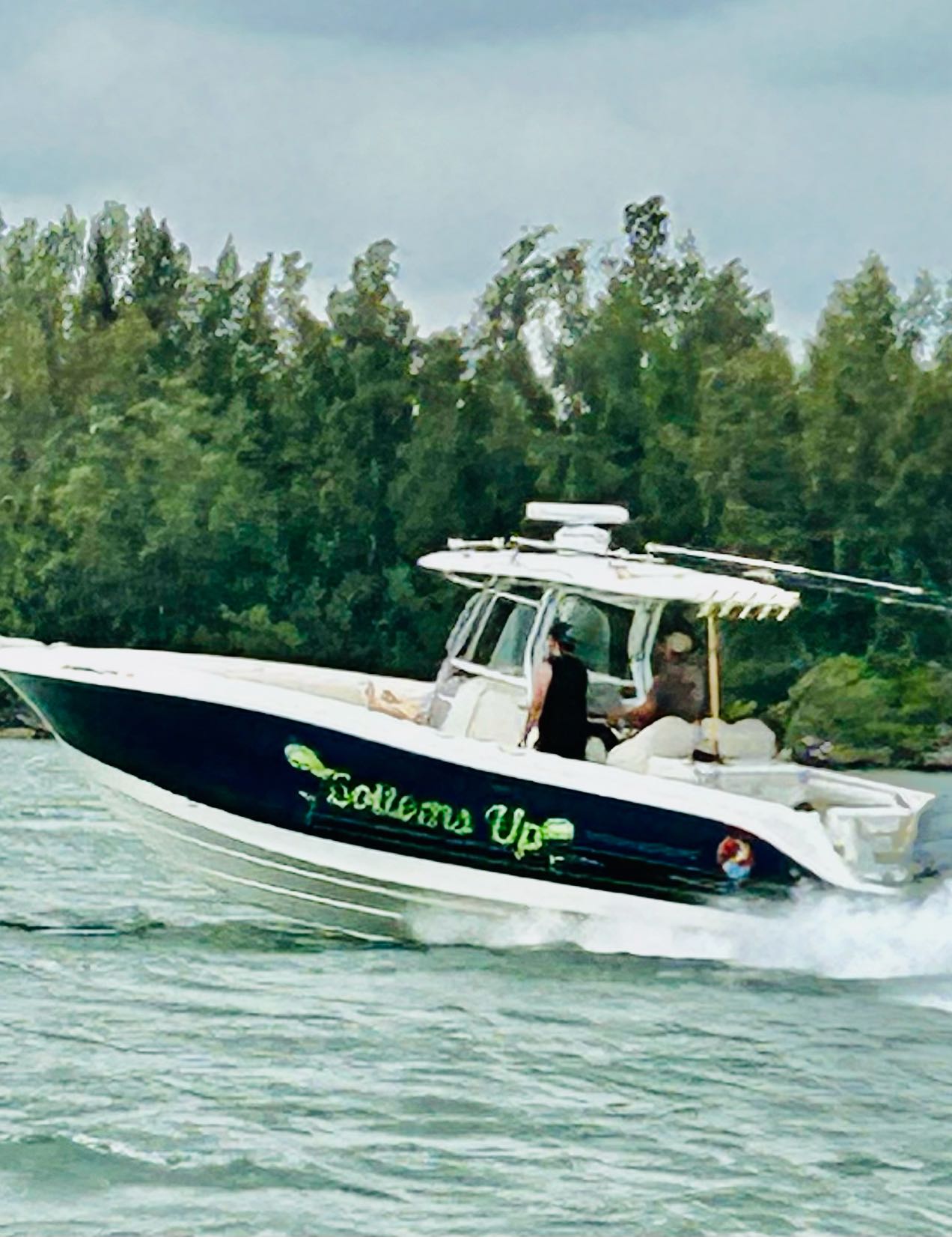
Meet your Captain Justin Gay
- Vero Beach Fishing Thrills, Bottoms Up Charters


Summary
This fishing charter in Vero Beach captured an impressive Indo-Pacific Sailfish on a Tuesday in May. Captain Justin Gay of Bottoms Up Fishing Charters delivered an authentic offshore experience, showcasing the vibrant marine life and skilled charter operations that make this Florida destination a premier fishing location.
Fishing Charter with Captain Justin Gay - Rates & Booking
Captain Justin Gay of Bottoms Up Fishing Charters led this fishing charter on Tuesday, May 20th, delivering exactly what serious anglers come to Vero Beach to experience. The day centered on pursuing Indo-Pacific Sailfish, one of the most sought-after species in Florida waters. To book your own charter adventure or learn about current rates and available dates, contact Bottoms Up Fishing Charters directly.
Highlights of This Fishing Charter
The centerpiece of this outing was landing a healthy Indo-Pacific Sailfish, a true trophy that reflects both the abundance of the offshore environment and the expertise guiding the expedition. Vero Beach waters consistently produce these spectacular fish, and this successful catch represents the kind of memorable moments that define a quality fishing charter experience.
The offshore conditions cooperated perfectly, with clear waters and favorable fishing grounds that allowed Captain Gay to position the boat for optimal results. This combination of local knowledge, proper timing, and skillful boat handling created the ideal scenario for connecting with premium game fish.
Local Species Insights: Indo-Pacific Sailfish
Indo-Pacific Sailfish are among the most dynamic and acrobatic fish found in Florida's offshore waters. These sleek predators are built for speed and explosive strikes, characterized by their distinctive sail-like dorsal fins that they raise when hunting or excited. Reaching lengths of 9 to 11 feet, they inhabit the deeper offshore reefs and ledges where Vero Beach fishing charters focus their efforts.
What makes sailfish particularly rewarding is their behavior during the fight. When hooked, they launch themselves clear of the water in dramatic jumps, creating the kind of adrenaline-filled moments that stay with anglers long after the trip ends. Their aggressive feeding patterns make them responsive to both live bait presentations and skilled casting techniques.
The Vero Beach area provides ideal habitat for sailfish year-round, with seasonal peak windows that Captain Justin Gay and his team understand intimately. The combination of deep-water structures, natural food sources, and consistent ocean conditions makes this stretch of Florida's Atlantic coast a genuine sailfish destination. Anglers targeting these fish experience both the technical challenge of the catch and the raw natural power of these incredible animals.
Fishing in Vero Beach: Indo-Pacific Sailfish
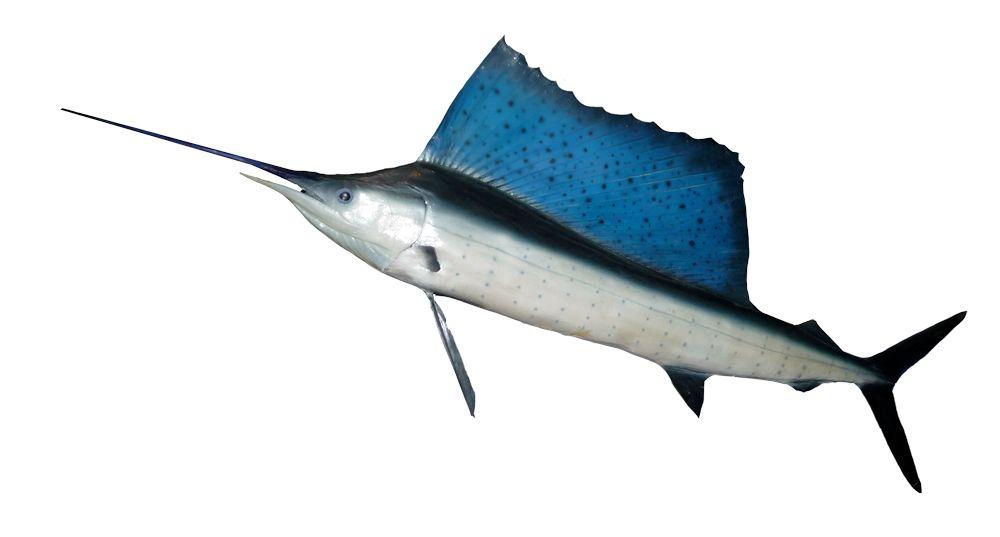
Indo-Pacific Sailfish Overview
The Indo-Pacific Sailfish (Istiophorus platypterus), belonging to the family Istiophoridae and order Perciformes, is one of the most iconic and thrilling game fish in the world's oceans. Also known as the Pacific sailfish, Atlantic sailfish, billfish, ocean guard, and ocean gar, this magnificent creature is instantly recognizable by its enormous sail-like dorsal fin, elongated spear-shaped bill, and streamlined body that seems perfectly engineered for speed and agility. Found throughout tropical and subtropical Atlantic and Indo-Pacific waters, the Indo-Pacific Sailfish captivates anglers and marine enthusiasts alike with its stunning appearance and legendary fighting spirit. When you're chasing these magnificent fish off the coast of places like Puerto Rico or the Gulf of Mexico, you're engaging with one of the ocean's most formidable predators.
What makes this sailfish truly special is not just its dramatic looks—it's the entire experience of encountering one. These fish are built for power and performance, with a body that transitions from dark blue on top to brown-blue on the sides and silver-white on the underside. Their most distinctive feature, the enormous first dorsal fin, resembles a sail and is characterized by its broad shape, numerous black cones, and squared-off top. Combined with their narrow pelvic fins and blunt embedded scales covering their entire body, Indo-Pacific Sailfish are perfectly adapted hunters of the open ocean.
Indo-Pacific Sailfish Habitat and Distribution
Indo-Pacific Sailfish are epipelagic fish, meaning they spend their entire lives in the open ocean's uppermost layers. These fish are primarily found in tropical and subtropical waters of the Atlantic and Indo-Pacific oceans, though they range into temperate regions as well. They prefer living near the mixed layers just below the surface and around the thermocline, where they find optimal hunting conditions and food sources. Most of their time is spent at water temperatures between 25° to 30°C, though they occasionally dive into deeper, colder waters when pursuing prey.
Geographically, Indo-Pacific Sailfish are widespread throughout offshore environments. The most celebrated fishing locations include Bermuda, Puerto Rico, the Gulf of Mexico, and the Windward Islands. Larger, mature specimens tend to occupy the easternmost regions of the Atlantic and Pacific oceans. These fish follow predictable annual migration patterns, moving toward higher latitudes during summer months and returning toward the equator as autumn approaches. Understanding these migration routes is essential for planning a successful sailfish expedition.
Indo-Pacific Sailfish Size and Weight
Indo-Pacific Sailfish are impressive in both length and mass. These fish typically range from 5.7 to 11 feet in length, which translates to approximately 42 to 137 inches. In terms of weight, they commonly fall between 120 to 220 pounds, though these figures represent average specimens. The largest Indo-Pacific Sailfish can exceed these ranges significantly, making each catch a unique and thrilling encounter.
Lifespan varies considerably depending on whether you're discussing wild populations or catch-and-release specimens. In their natural environment, Indo-Pacific Sailfish can live up to 13 to 15 years, though most specimens caught and released by sport anglers are estimated to be around 4 to 5 years old. The growth rate of these fish is relatively rapid, allowing them to reach impressive sizes within just a few years of life.
Indo-Pacific Sailfish Diet and Behavior
Indo-Pacific Sailfish are aggressive hunters with a diverse and opportunistic diet. Their primary prey includes small fish species such as anchovies, herrings, mackerel, and tuna, along with squid and other cephalopods. These fish use their distinctive elongated bill not just as a hunting tool but as a weapon—they slash through schools of prey to stun or injure fish before consuming them.
The behavior of Indo-Pacific Sailfish is characterized by their incredible athleticism and cooperative hunting strategies. They are known to work together to herd baitfish into tight balls, making feeding more efficient. Their metabolism is high, requiring them to hunt continuously throughout the day. When hooked by an angler, they exhibit extraordinary aerial acrobatics, launching themselves high out of the water with powerful tail thrusts. This combination of strength, speed, and acrobatic ability is why they're so prized by sport fishermen. Their interactions with humans are almost exclusively through fishing encounters, where their powerful personalities and will to fight make them unforgettable opponents.
Indo-Pacific Sailfish Spawning and Seasonal Activity
Indo-Pacific Sailfish exhibit distinct seasonal migration patterns tied to water temperature and food availability. During warmer months, these fish migrate toward higher latitudes where they find abundant prey and optimal conditions for growth. As autumn approaches, they move back toward equatorial waters. This predictable seasonal behavior has made certain times of year particularly productive for anglers targeting these fish.
Spawning information for Indo-Pacific Sailfish in their natural populations is less well-documented than some other game fish, but breeding activity is believed to occur during warmer months in tropical regions. Peak activity periods for sport fishing tend to align with these seasonal movements, making summer and early fall prime times for sailfish expeditions. Understanding these patterns allows experienced guides and anglers to time their trips for maximum success.
Indo-Pacific Sailfish Techniques for Observation and Capture
Trolling Method: The most popular and effective technique for catching Indo-Pacific Sailfish is trolling with live or fresh bait. Whole mullet or ballyhoo are the preferred baits, rigged on trolling rigs and deployed behind a moving boat. The boat travels at 8-12 knots, creating an enticing presentation that mimics natural prey. The key is positioning your bait in the sailfish's strike zone while maintaining a smooth, consistent trolling pattern. Around Puerto Rico and the Gulf of Mexico, experienced captains know the best trolling corridors and depths where sailfish congregate during peak seasons. The strike from a sailfish on a trolling rig is explosive and unmistakable—once hooked, be prepared for an hours-long battle as these powerful fish use every ounce of their strength and athleticism.
Live Bait Fishing: Many accomplished anglers prefer live bait presentations, drifting or slowly motoring through known sailfish grounds while deploying live mackerel, tuna, or other appropriate prey species. This method allows for more natural presentations and gives the sailfish a more realistic feeding opportunity. The advantage is the ability to cover water more strategically and respond to visible activity like jumping or surface feeding.
Harpoon and Net Methods: In commercial settings, Indo-Pacific Sailfish are sometimes taken with harpoons or drift nets, though sport fishing focuses on rod-and-reel encounters. Regardless of method, once hooked, expect a vigorous, prolonged fight. These fish will leap, dive, and perform aerial acrobatics for extended periods. Landing one requires patience, skill, and appropriate heavy tackle. The entire experience can take several hours but provides memories that last a lifetime.
Indo-Pacific Sailfish Culinary and Utilization Notes
Indo-Pacific Sailfish are classified as having poor odds for food quality, meaning they are not typically targeted for consumption. The meat is generally considered too tough, stringy, and unpalatable for most culinary applications. However, these fish have exceptional value as a sport fish catch-and-release experience. Many modern anglers practice catch-and-release specifically to preserve populations and ensure sustainable fishing opportunities for future generations. The primary utilization of Indo-Pacific Sailfish is recreational, contributing significantly to the sport fishing and tourism economies in regions like Puerto Rico, Bermuda, and the Gulf of Mexico.
From a sustainability perspective, catch-and-release practices for Indo-Pacific Sailfish are strongly encouraged. When handled with care and released quickly, these fish have high survival rates. Some regions have implemented regulations protecting sailfish populations and promoting responsible angling practices. The thrill of hooking, fighting, and releasing a Indo-Pacific Sailfish provides an unparalleled experience without removing the fish from the ecosystem.
Indo-Pacific Sailfish Frequently Asked Questions
Q: What is the best bait for catching Indo-Pacific Sailfish?
A: Whole mullet and ballyhoo are the classic choices for trolling presentations. Live mackerel and live tuna are also excellent options, particularly for drifting or live bait methods. The key is using fresh, lively bait that creates natural action and vibrations to attract sailfish from a distance. Many charter operations have specific bait preferences based on local conditions and seasonal availability.
Q: Where can I find Indo-Pacific Sailfish near Puerto Rico?
A: Puerto Rico is one of the world's premier sailfish destinations, with prolific fishing grounds throughout offshore waters. The most productive areas include the drop-offs and deeper channels on the north and east coasts of Puerto Rico. Charter captains operating from San Juan and other major ports know the exact locations where sailfish congregate, particularly during peak season from May through September. Local knowledge and seasonal patterns are crucial for consistent success.
Q: How long does it typically take to land a Indo-Pacific Sailfish?
A: A typical fight can last anywhere from 30 minutes to several hours, depending on the fish's size, energy level, and the angler's experience. These are powerful, acrobatic fighters that use every trick in their arsenal to escape. The average recreational catch takes 45 minutes to 2 hours to bring to the boat. Multiple jumps, deep dives, and runs on the open ocean make every Indo-Pacific Sailfish encounter a unique and physically demanding experience.
Q: Is Indo-Pacific Sailfish good to eat?
A: Indo-Pacific Sailfish have poor food quality and are not recommended for consumption. The meat is typically tough, stringy, and not palatable to most people. These fish are best appreciated through catch-and-release fishing, which allows anglers to experience the thrill while preserving the population for future encounters. The sport fishing value far exceeds any culinary application.
Q: When is the best time to catch Indo-Pacific Sailfish?
A: Peak sailfish season typically runs from May through September in most traditional fishing grounds, coinciding with warmer water temperatures and seasonal migrations toward higher latitudes. These months offer the most consistent action and highest probability of successful encounters. However, sailfish can be caught year-round in tropical regions, with off-season fishing available in southern latitudes and during migration periods.
Q: What tackle and rod specifications do I need for Indo-Pacific Sailfish?
A: Heavy sport fishing tackle is essential. Most experienced anglers use 30 to 50-pound class rods with matching reels capable of holding 300+ yards of line. Quality drag systems are crucial for managing the powerful runs and aerial acrobatics these fish perform. Many charter operations provide tackle, but bringing your own ensures familiarity with your equipment. The physical demands of sailfish fishing mean that equipment quality directly impacts both success rates and angler safety.