Red Snapper & Bluefish Catch in Vero Beach FL
Fishing in Vero Beach - What to Expect

Fishing Charter by Captain Justin Gay in November
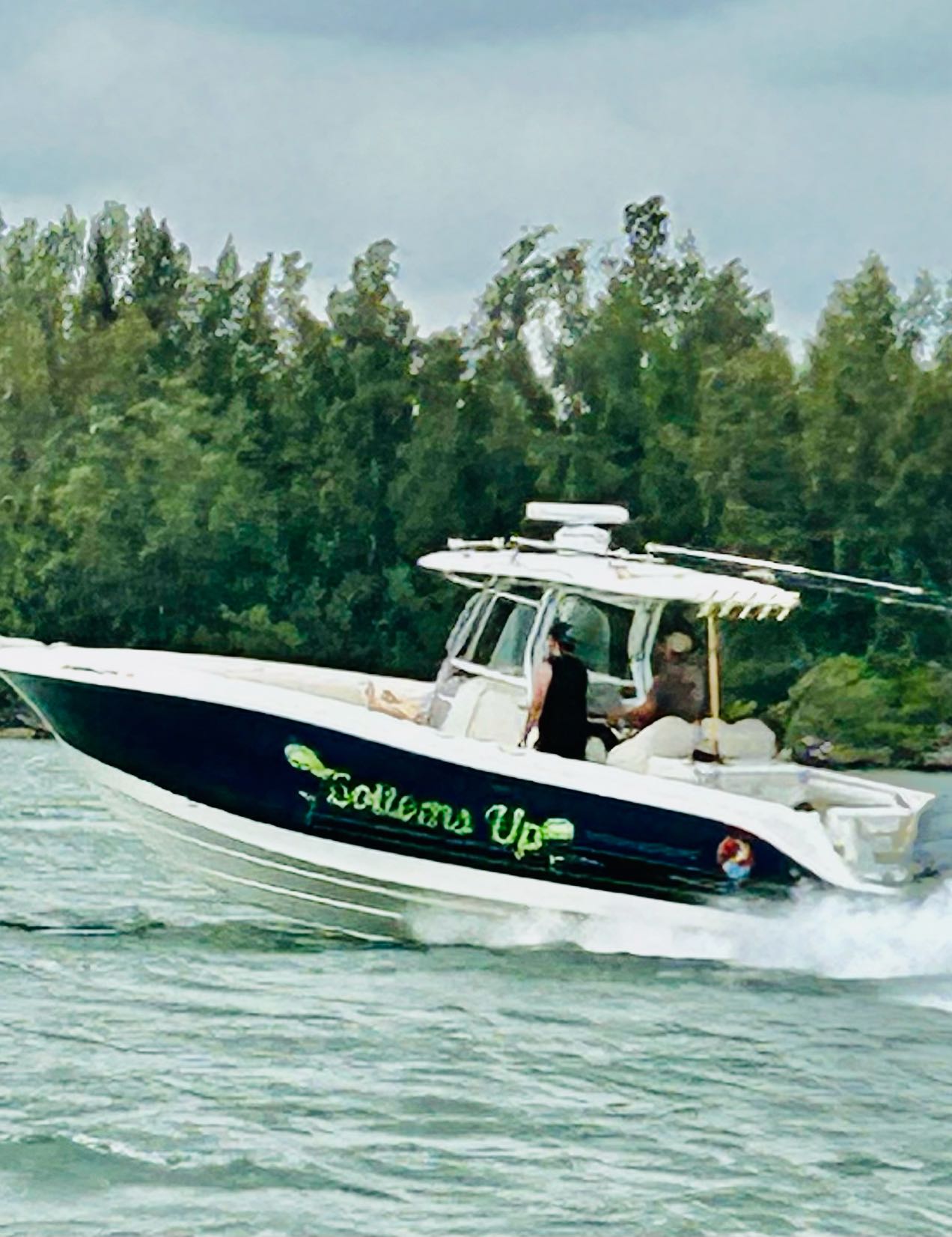
- Vero Beach Fishing Thrills, Bottoms Up Charters


Summary
Join Captain Justin Gay of Bottoms Up Fishing Charters on a Thursday in October for an exciting fishing charter in Vero Beach, where anglers consistently land red snapper, lane snapper, bluefish, and other prized species. This guided fishing experience combines local expertise with proven techniques to maximize your catch on Florida's productive waters.
Fishing Charter with Captain Justin Gay - Rates & Booking
Captain Justin Gay of Bottoms Up Fishing Charters operates premium fishing charters in Vero Beach, delivering consistent results for anglers targeting snapper, bluefish, and other inshore and nearshore species. Whether you're a seasoned angler or casting for the first time, Captain Gay tailors each trip to match skill levels and target preferences. Contact Bottoms Up Fishing Charters to reserve your charter and inquire about current rates, available dates, and specific trip options.
Highlights of Vero Beach Fishing
Vero Beach stands as a premier fishing destination along Florida's Atlantic coast, offering access to productive waters that hold healthy populations of snapper and bluefish. The shallow flats, mangrove-lined channels, and nearshore structure create ideal conditions for year-round success. Captain Gay's intimate knowledge of seasonal patterns and productive zones ensures your charter targets the best fishing grounds.
The dock presentations in this image showcase the quality of fish available to charter guests. Red snapper display the characteristic colors and size that make them prized table fare, while lane snapper and bluefish round out diverse catch opportunities. This variety keeps anglers engaged throughout the day.
Local Species Insights: Bluefish & Lane Snapper
Bluefish are aggressive predators known for explosive strikes and hard fighting action. These strong swimmers patrol Vero Beach waters year-round, with peak activity during cooler months. Bluefish respond well to live bait and light tackle presentations, offering thrilling battles regardless of angler experience level. Their speed and endurance make every hookup memorable.
Lane snapper inhabit the same waters but exhibit distinctly different behavior. These structure-oriented fish hold tight to mangrove roots, rocky bottom, and artificial habitat. Lane snapper require precision casting and subtle presentations to coax bites. Their firm flesh and mild flavor make them excellent eating. Captain Gay knows exactly where these snapper concentrate and which techniques trigger consistent strikes.
The combination of aggressive bluefish and discriminating snapper species creates diverse fishing throughout the charter. Morning tides often favor snapper during the first couple hours, while midday conditions may shift focus to more aggressive bluefish action in deeper channels. Captain Gay reads water conditions and adjusts tactics accordingly, keeping you engaged with productive fishing methods.
Vero Beach's location provides quick access to multiple fishing zones. Shallow flats hold permit and tarpon for sight-casting opportunities. Mangrove channels produce red drum and snook. Nearshore reefs and structure attract grouper, snapper, and large bluefish. This geographic advantage means varied fishing possibilities on every trip.
Summer through fall brings peak bluefish abundance and strong snapper activity. Winter months cool the water but concentrate fish in specific zones, often resulting in fast, predictable bite windows. Spring offers transition fishing with consistent snapper availability. Year-round opportunity means excellent fishing during your preferred season.
Fishing in Vero Beach: Lane Snapper and Bluefish
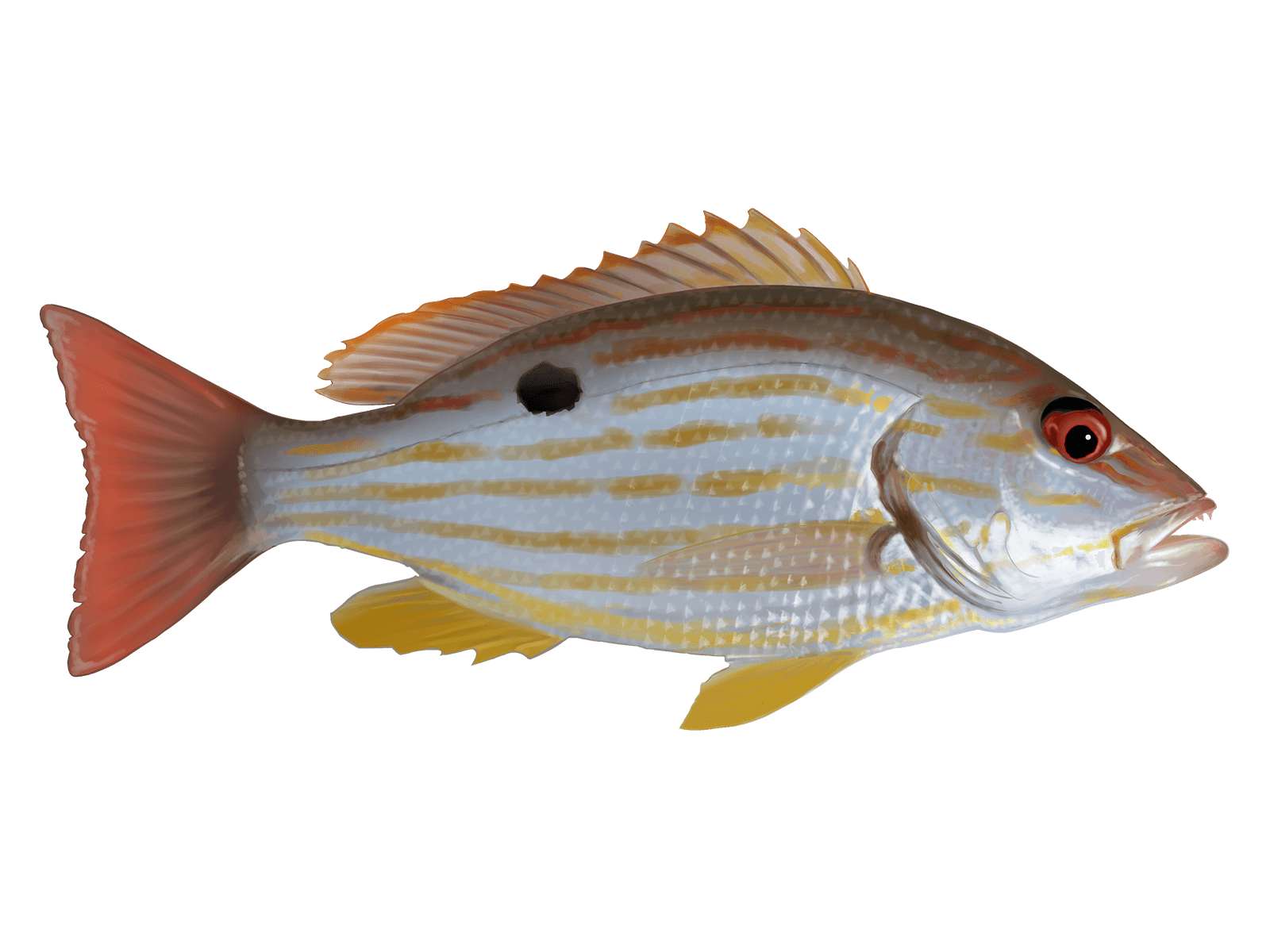
Lane Snapper Overview
The Lane Snapper (Lutjanus synagris) is a vibrant and spirited member of the Lutjanidae family within the order Perciformes. This almond-shaped coral fish gets its name from the striking pink and yellow lines that run along its silver body, resembling colorful candy cane stripes or traffic lanes. Found throughout the western Atlantic Ocean from North Carolina down to Brazil, the Lane Snapper is a favorite among both recreational anglers and seasoned fishermen seeking an exciting catch with good food value. Known for their aggressive nature and willingness to strike, these fish are often referred to as a "dessert fish" by locals because they frequently end up in coolers as delightful bonuses when anglers are targeting red snappers and other species. What makes this species particularly fascinating is their documented ability to hybridize with closely related species like the Yellowtail Snapper, suggesting a genetic similarity that scientists continue to study with great interest.
Lane Snapper Habitat and Distribution
Lane Snappers thrive in diverse marine environments throughout the western Atlantic, with their range stretching from the coastal waters of North Carolina through the Gulf of Mexico, down the Caribbean, and as far south as Brazil. Higher population concentrations are typically found in the Antilles off the Panama Coast and along the northern coast of South America, making these regions prime destinations for fishing expeditions. Adult Lane Snappers generally remain in the same territory for their entire lifespan, showing strong site fidelity to their preferred hunting grounds. While these fish have been recorded at depths reaching 1,300 feet in offshore waters, they most commonly thrive between 69 and 230 feet of water. Larger specimens tend to congregate in relatively shallow waters, though they become less abundant in these areas. Their preferred habitats include coral reefs and sandy bottoms abundant with vegetation, where they can hunt effectively for prey. They adapt well to both pristine and murky water conditions, making them accessible to anglers in various coastal and nearshore environments. The species also inhabits the waters around Bermuda and throughout the Gulf of Mexico, providing excellent opportunities for targeting them across a wide geographic range.
Lane Snapper Size and Weight
Lane Snappers are generally modest in size compared to larger snapper species, typically ranging from 10 to 24 inches in length, with most fish averaging around 20 inches. While they're not considered trophy fish in the traditional sense, their spirited fighting ability makes them exciting quarry regardless of size. Weight-wise, these fish generally tip the scales at a minimum of 3 pounds, with average catches hovering around 7 pounds. The current world record for a Lane Snapper stands at an impressive 8 pounds and 3 ounces, a benchmark that motivates many anglers seeking their personal best. These size ranges make them excellent table fare as well—large enough to provide a satisfying meal yet small enough to handle with standard fishing equipment and coolers. Their compact but powerful build contributes to their reputation as scrappy fighters when hooked.
Lane Snapper Diet and Behavior
Lane Snappers are carnivorous bottom feeders with a diverse and opportunistic diet that reflects their aggressive hunting style. Their primary prey includes small crustaceans such as swimming crabs, mantis shrimp, rock shrimp, and freshwater shrimp, along with mollusks, snails, smaller fish species, and cutlassfish. These fish typically feed along the ocean floor, using their keen senses to locate movement and vibrations from potential meals. They are primarily nocturnal feeders, showing increased feeding activity during evening and nighttime hours, which is crucial information for anglers planning their fishing trips. Their behavior is notably less wary than many other game fish species—they don't hesitate to strike at hooks and lines with enthusiasm, though once hooked they put up a spirited battle that keeps anglers engaged. Lane Snappers often school together, particularly around structure like coral reefs and vegetated sandy areas, increasing the likelihood of multiple catches in productive zones. Their aggressive temperament and willingness to feed consistently throughout the day make them relatively easy to target compared to more cautious species.
Lane Snapper Spawning or Seasonal Activity
The spawning season for Lane Snappers extends from March through September, with activity intensifying during these warmer months when water temperatures are optimal for reproduction. Fish generally reach sexual maturity and reproductive readiness at around 6 inches in length, considerably smaller than their adult size. During the breeding season, anglers can expect to find Lane Snappers in large congregations, increasing the odds of successful catches significantly. The spawning mechanism involves eggs that drift freely in water currents, with remarkably rapid hatching occurring within just 23 hours of fertilization. This extended spawning period, spanning seven months of the year, means that productive fishing windows remain open for much of the warmer season. Understanding this seasonal pattern helps anglers plan trips during peak abundance periods when numbers are highest and feeding activity is most aggressive.
Lane Snapper Techniques for Observation or Capture
Method 1: Hook and Line with Live Bait
The most effective and popular technique for catching Lane Snappers involves traditional hook and line fishing with live or fresh-frozen baits. Optimal bait choices include live or dead shrimp, squid, fresh-cut bait, and small minnows—all of which readily entice these aggressive feeders. Target areas around coral reefs and vegetated sandy bottoms in inshore and nearshore waters, positioning yourself over structure where snappers naturally congregate. Fish during evening and nighttime hours when feeding activity peaks, or time your trips during the March-through-September spawning season when populations are densest. Use standard-weight casting or spinning gear suitable for bottom fishing, dropping your baited rig to depths between 69 and 230 feet where Lane Snappers most commonly hunt. Around Florida's Gulf Coast and the Caribbean islands, the combination of coral reefs and sandy structure near passes and drop-offs consistently produces excellent results.
Method 2: Synthetic Lures and Jigging
While live bait remains the primary choice, Lane Snappers also respond well to artificial lures, particularly small jigs and soft plastic baits that mimic their natural prey. Cast or jig these lures near coral head structures and along sandy bottom transitions where snappers patrol for food. This method works particularly well during peak feeding times and allows for more active fishing that covers larger areas. The aggressive nature of Lane Snappers means they strike decisively at moving targets, providing good odds for successful hook-ups when you locate productive zones.
Method 3: Night Fishing During Breeding Season
Capitalize on their nocturnal feeding behavior and spawning season congregation by planning night fishing expeditions from March through September. Use lights to attract baitfish and smaller organisms that snappers feed upon, which naturally draws the larger predators to your fishing location. Position yourself in nearshore waters between 69 and 230 feet deep over structure, keeping in mind that Lane Snappers often congregate in large numbers during these months.
Lane Snapper Culinary or Utilization Notes
Lane Snappers are considered good eating with firm, white flesh that takes well to various cooking methods. The food quality is rated as good odds, making them a worthwhile catch for anglers interested in fresh seafood. Their modest size of 7-8 pounds on average provides ideal portions for a family meal or small group feast. The flesh has a mild, slightly sweet flavor that appeals to most palates, making them excellent candidates for grilling, baking, pan-searing, or frying. Sustainability-wise, while they're not currently listed as endangered, practicing catch-and-release for smaller specimens and adhering to local regulations ensures continued healthy populations for future generations. Their versatility in the kitchen and consistent availability make them a staple target for culinary-minded anglers throughout their range.
Lane Snapper Frequently Asked Questions
Q: What is the best bait for catching Lane Snappers?
A: Live or fresh-frozen shrimp, squid, cut bait, and small minnows are all highly effective choices. Lane Snappers respond aggressively to these baits, particularly when presented on the ocean floor near coral reefs and vegetated sandy areas. The species is not particularly selective, making bait fishing highly productive compared to many other snapper species.
Q: Where can I find Lane Snappers near popular fishing destinations?
A: Lane Snappers are abundant throughout the Caribbean, Gulf of Mexico, and along the Florida coast, particularly around Bermuda and throughout the Antilles. Focus on inshore and nearshore coral reef structures in depths between 69 and 230 feet. Local fishing charters and bait shops in major ports can provide current information on productive zones and recent catches in your specific area.
Q: Is the Lane Snapper good to eat?
A: Yes, absolutely! Lane Snappers provide good-quality table fare with firm, white flesh that has a mild, slightly sweet flavor. Their average size of 7-8 pounds provides excellent portions for cooking, and they take well to grilling, baking, pan-searing, and frying. Many anglers specifically target them for both the fight and the meal.
Q: When is the best time to catch Lane Snappers?
A: The spawning season from March through September offers the best odds, as fish congregate in large numbers during these warmer months. Within each day, nighttime and evening hours produce the most aggressive feeding activity. Early morning hours just after sunrise can also be productive, though nighttime fishing typically yields superior results.
Q: Why are Lane Snappers called "dessert fish"?
A: This nickname refers to their frequent appearance as pleasant bonus catches when anglers are targeting other species like red snappers, grouper, and squid. They're not usually the primary target but rather an unexpected treat that ends up in the cooler—hence the dessert reference.
Q: Can Lane Snappers hybridize with other species?
A: Yes, Lane Snappers are known to cross-breed with Yellowtail Snappers and other closely related species, with documented hybrid catches occurring repeatedly. This genetic compatibility suggests that these species share more similarities than previously believed, and these hybrids are occasionally encountered by anglers fishing in overlapping habitats.
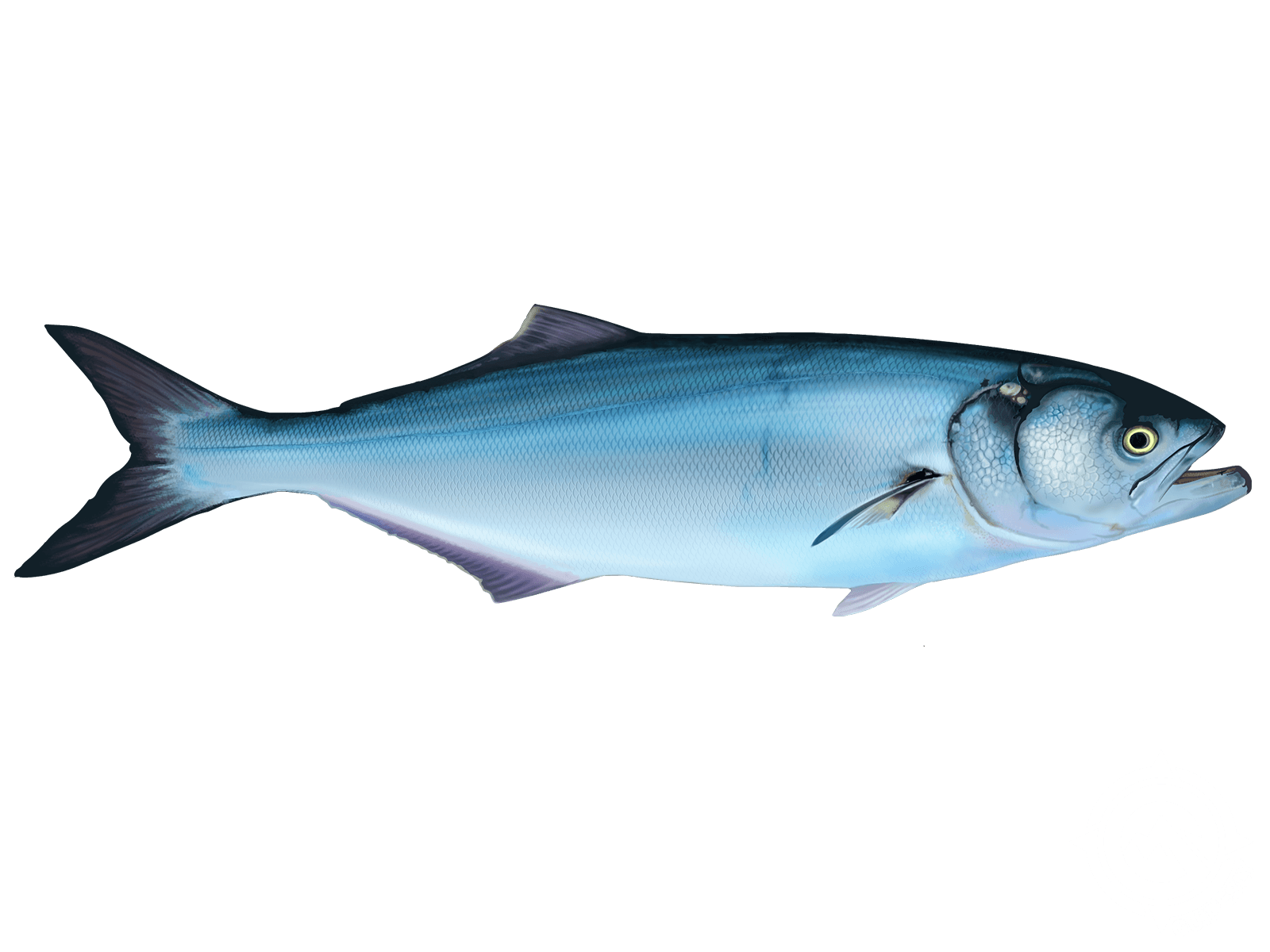
Bluefish Overview
The Bluefish (Pomatomus saltatrix) is one of the most thrilling game fish you'll encounter in nearshore and onshore Atlantic waters. Belonging to the family Pomatomidae and order Perciformes, this aggressive predator is the sole surviving member of its family—a distinction that makes it both ecologically important and historically fascinating. What makes the Bluefish truly special is its combination of explosive feeding behavior, striking blue-green coloring, and reputation as a spirited fighter on the line. Known locally in different regions as Shad (South Africa) or Tailor (Australia and New Zealand), this migratory species brings excitement to summer fishing from Cape Cod to the Carolinas and beyond. Anglers and casual observers alike are captivated by the famous "Bluefish Blitz," where schools churn shallow waters like washing machines, attacking baitfish with reckless abandon.
Bluefish Habitat and Distribution
Bluefish thrive in subtropical and temperate waters across the globe, with major populations found throughout the Atlantic Ocean from Nova Scotia to Argentina, and from Spain to southern Africa. These marine pelagic fish are most commonly found along continental shelves and rarely venture to the north side of the Pacific Ocean. In North America, they inhabit a wide range of environments including brackish estuaries, tidal rivers, rock headlands, sandy beaches, and areas just above the continental shelf. During summer months, Bluefish become seasonal visitors to cooler northern waters, arriving around mid-June and remaining through mid-October before migrating to warmer wintering grounds from North Carolina south to Florida's tip. They're particularly abundant in bays, sandy harbors, and tidal river systems where forage fish concentrate. The species shows a strong preference for areas with active baitfish populations and readily moves between shallow coastal waters and deeper offshore zones depending on seasonal availability of prey.
Bluefish Size and Weight
Bluefish display considerable size variation depending on age and feeding conditions. Most fish in the general population reach weights around 15–20 pounds, though they commonly grow to 15 inches minimum and can exceed 51 inches in length when fully mature. In terms of weight, typical catches range from 3 to 15 pounds for recreational anglers, though exceptional specimens have been documented at 40 pounds or more. Juvenile Bluefish, affectionately called "baby blues" or "snappers," appear in late summer and offer excellent opportunities for young and inexperienced anglers to practice their skills. The larger fish, particularly those exceeding 10 pounds, develop stronger, more assertive flavors compared to their smaller counterparts, which possess mild, flaky meat prized by culinary enthusiasts.
Bluefish Diet and Behavior
Bluefish earned their reputation as voracious predators through relentless feeding habits and an impressive arsenal of flat, triangular teeth sharp enough to inflict serious bites. These aggressive hunters possess a complex diet featuring sardine-like fish, Menhaden, Weakfish, Grunt, Anchovy, Squid, and Shrimp. Their fast swimming speed allows them to chase down schools of forage fish, and they're known for entering feeding frenzies where they continue attacking prey long after satisfying their nutritional needs—a behavioral trait that makes them so appealing to anglers. Interestingly, Bluefish exhibit cannibalistic tendencies, sometimes consuming their own young. Despite their fearsome hunting prowess, adult Bluefish serve as food for larger predators including Dolphins, Billfish, Sharks, and Tuna. The species can live up to 9 years in the wild, providing a multi-generational presence in coastal ecosystems. Their aggressive nature means careful handling is essential; their powerful jaws and sharp teeth can deliver painful wounds to unsuspecting anglers.
Bluefish Spawning and Seasonal Activity
Bluefish exhibit strong seasonal migration patterns that define their presence in coastal waters throughout the year. In northern regions like Cape Cod and the broader Atlantic Northeast, these fish arrive as seasonal visitors around mid-June and establish themselves through mid-October when water temperatures and baitfish availability peak. The fall migration triggers a notable fishing phenomenon as juvenile "snappers" congregate in sandy harbors, bays, and tidal rivers before departing for southern waters. Winter months find the majority of the population in warmer Atlantic waters stretching from North Carolina through Florida's southern tip. This predictable seasonal cycle has shaped commercial and recreational fisheries management strategies, with harvest regulations and bag limits designed around their migratory movements. Spring returns bring renewed excitement to northeastern anglers as water temperatures warm and migrating schools re-enter traditional summer grounds, signaling the beginning of another productive fishing season.
Bluefish Techniques for Observation and Capture
Method 1: Live and Cut Bait Fishing
The most effective approach for targeting Bluefish involves using oily baitfish like eels, which trigger aggressive strikes, though nearly any baitfish species will work. Cut bait shaped into small lure-sized chunks proves particularly productive, allowing you to present multiple offerings in areas with known Bluefish activity. Fish from tidal rivers, bays, and sandy harbors during summer months when water temperatures are optimal. Use only circle hooks per regulations—this equipment choice reduces injury to released fish while improving your hook-up rate. Cast into areas where baitfish schools congregate, particularly near structure and during tidal movements that concentrate prey.
Method 2: Artificial Lures and Flies
Bluefish eagerly strike artificial lures and fly patterns that mimic their natural prey. Recreational regulations permit artificial lures with a maximum of two treble hooks, giving you flexibility in your presentation. Topwater plugs, metal spoons, and shad-pattern soft plastics all produce strikes during active feeding periods. Cast into the "Bluefish Blitz"—that spectacular phenomenon where schools churn shallow water while attacking baitfish—and work your lures with aggressive, erratic retrieves that trigger competitive feeding responses.
Method 3: Commercial and Guided Techniques
Professional fisheries employ trawls, gillnets, and hook-and-line methods in commercial operations requiring proper permits. Around Cape Cod and other prime northeastern locations, charter boats and guided services specialize in locating schools and positioning anglers for consistent action. Recreational anglers can keep up to three fish per day with no minimum size requirement, making this an accessible species for both novices and experienced fishermen.
Bluefish Culinary and Utilization Notes
When properly prepared, Bluefish offers mild, flaky meat that ranks as a genuine culinary treat for those who know how to handle it. Smaller fish (under 10 pounds) provide the most delicate flavor, while larger specimens develop more pronounced, oily characteristics that some find less appealing. Despite being rich in omega-3 fatty acids beneficial for heart health, health authorities recommend that children and adult women limit consumption due to the species' significant mercury content. The fish's oily nature makes it ideal for smoking, grilling, and baking—preparation methods that complement rather than mask its natural flavors. Commercial and recreational fisheries employ strict management through bag limits and annual quotas to ensure sustainable harvest and prevent overfishing. When considering Bluefish for the dinner table, source smaller specimens and enjoy them as an occasional rather than regular dietary staple.
Bluefish Frequently Asked Questions
Q: What is the best bait for catching Bluefish?
A: Oily fish like eels are exceptionally effective, but almost any baitfish works well. Cut bait shaped into small lure-sized chunks provides another excellent option. The key is matching bait size to your target fish and presenting it in areas where schools congregate, particularly during tidal movements.
Q: Where can I find Bluefish near Cape Cod and the northeastern coast?
A: Bluefish are seasonal visitors to Cape Cod and northern Atlantic waters from mid-June through mid-October. Focus your efforts on tidal rivers, bays, sandy harbors, and nearshore locations where baitfish concentrate. The "Bluefish Blitz" phenomenon, where schools attack baitfish in shallow water, creates spectacular fishing opportunities during peak season.
Q: Is Bluefish good to eat?
A: Yes, when properly prepared, Bluefish offers delicious, mild, flaky meat—particularly smaller specimens under 10 pounds. However, due to mercury content, health authorities recommend limiting consumption, especially for children and adult women. Prepare using smoking, grilling, or baking methods that complement the fish's natural oily richness.
Q: When is the best time to catch Bluefish?
A: Summer months (mid-June through mid-October) represent peak season in northern regions like Cape Cod. Late summer brings juvenile "snappers" into shallow bays and sandy harbors, creating excellent opportunities for beginners. Early morning and late afternoon often produce the most consistent action as feeding intensity increases.
Q: What regulations apply to Bluefish fishing?
A: Recreational anglers can keep up to three Bluefish per day with no minimum size requirement, using only circle hooks. Artificial lures are limited to two treble hooks maximum. Commercial fishing requires proper permits, and many states impose specific catch limits. Always check local regulations before fishing.
Q: Why are Bluefish called a "Blitz" when they feed?
A: The "Bluefish Blitz" occurs when schools churn shallow water like washing machines, attacking baitfish schools with reckless aggression. These feeding frenzies create spectacular surface disturbances and offer some of the most exciting fishing experiences available, as multiple fish simultaneously strike and compete for prey regardless of their hunger level.